Who we are
Every project we run begins with one goal: to uplift indigenous women and their communities through action, awareness and empowerment.
About SPaRC
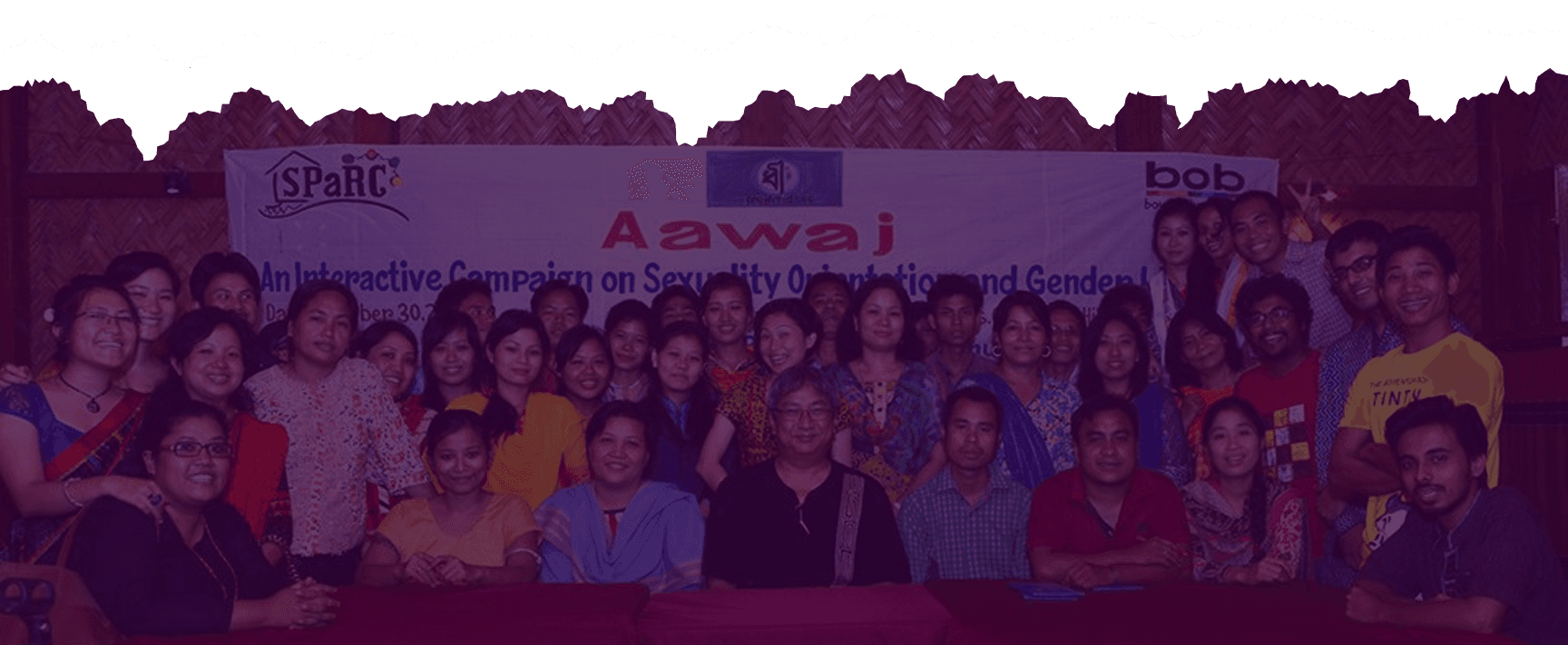
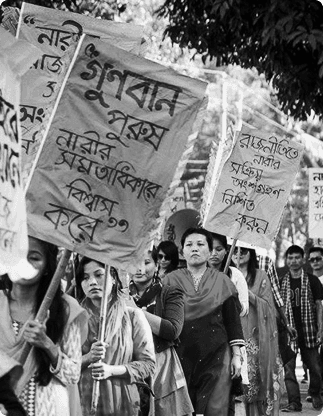
SPaRC is an indigenous women-led feminist organisation established in Chittagong Hill Tracts (CHT), Bangladesh. SPaRC works with a specific focus for indigenous women, girls and communities who are often ignored, have no access to resources and are survivors of communal attack, conflict, Violence Against Women, Gender Based Violence, and systematic oppression such as misinformation, intergenerational trauma and sufferings.
Meet the team
Strong voices. Bold visions. Meet the women and allies driving equality and empowerment forward. Our strength lies in unity. The incredible women and allies in our team are at the heart of everything we do: leading initiatives, empowering communities, and standing firm for justice and equality.
Founder's note
I co-founded SPaRC knowing that the most meaningful work often begins close to home, rooted in identity and lived experience. Seeing where it stands today fills me with immense pride. To everyone carrying this mission forward, you are not just rebuilding communities, you are rewriting what is possible for indigenous women and girls in Bangladesh.
Bishaka Tanchangya
International Consultant, World Health Organization South-East Asia Regional Office (SEARO) New Delhi
Our context
The Chittagong Hill Tracts is a region of incredible beauty and rich indigenous culture. It is also a region marked by political instability, historical conflict and ongoing marginalisation. Indigenous women and girls here face gender-based violence, communal attacks, systematic discrimination, intergenerational trauma and limited access to resources and justice.
But here is what often gets left out of that story: resilience, creativity, strength, and the capacity of communities to heal, organise and build something better.
We exist because indigenous women and girls deserve more than sympathy: we deserve solidarity. More than charity: we deserve justice. More than being the subjects of someone else's research: we deserve to define our own narratives and futures.
Every workshop we hold, every story we share and every community member we work with is part of a larger vision: a world where dignity is universal and rights are real.